Minimalist Wardrobe Essentials for Women Over 50: A Closet Edit Checklist
By Style Pieces 50 · Updated 2026-11-16

The closet is full, the drawers will not close, and every morning you reach past the same ten hangers to find the one thing that works. Most of what crowds the rack is "almost right": a little tight, a little long, a little dull in the color, a little too dressy for your week. A closet edit sorts those pieces out for good. This guide walks you through it in order, with keep, fix and donate piles, a checklist by category and a short list of the essentials that should be left on the rail.
Before you start: set up for two hours
Pick a morning when no one needs you. A closet edit goes wrong when it is squeezed between errands, because half-finished piles end up back in the closet.
- Clear the bed so you have a flat place to lay everything out.
- Bring two bags and a box: one bag for donations, one for things that are worn out, and a box labeled "maybe."
- Put a full-length mirror where you can see it, and wear the underwear and shoes you wear most.
- Keep a pen and a sticky note for the things you want to buy later. Do not shop while you edit.
Step 1: Pull everything out, one category at a time
Wikipedia says Marie Kondo's tidying method starts with clothes, and that all the clothes in the house are piled up first.
The reason is simple. When you see every top you own in one stack, you can see how many are nearly the same. A closet scatters duplicates across rails, drawers and the back of the guest room.
Work in this order, and finish one category before you open the next:
- Tops: tees, shirts, sweaters and cardigans.
- Bottoms: trousers, jeans and skirts.
- Dresses and one-piece sets.
- Jackets, blazers and coats.
- Shoes and bags.
- Scarves, belts and jewelry.
Step 2: Sort into keep, fix and donate
Hold each piece, put it on if you are not sure, and place it in one of three piles. If you cannot decide in a minute, it goes in the "maybe" box.
The keep pile
A piece stays when it answers yes to all four questions:
- Would I put it on today, as my body is now?
- Is it comfortable when I sit, lift my arms and walk?
- Does it go with at least three other pieces I am keeping?
- Does it look cared for, with no stains, holes or stretched-out spots?
The fix pile
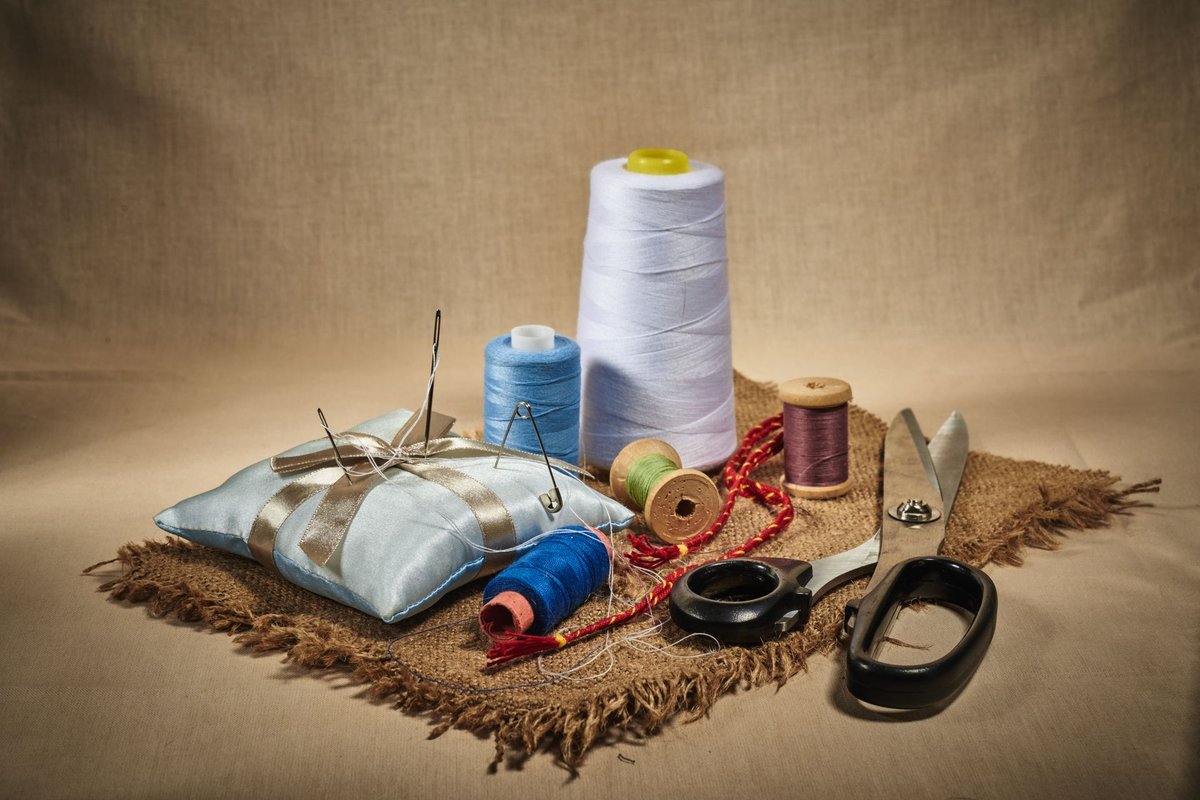
These pieces are good but need one small repair. Write the repair on a sticky note and put it on the hanger. The usual repairs are:
- Hems and sleeves that are too long, which a tailor can shorten.
- A waistband that gaps at the back but fits the hip.
- A missing button, a loose seam or a stuck zipper.
- Pilling on a sweater. Wikipedia says pilling is most common where clothing rubs most, such as collars, cuffs, and the thighs and seat of trousers.
- Pills you can remove yourself. Wikipedia adds that pills can be removed by shaving the fabric.
Set a deadline of 30 days for the whole fix pile. A piece that is still in the bag after a month goes to donation, because it has told you how much you want it.
The donate pile
Pieces that are too small, too big, too stiff or simply not you belong here. Wikipedia's page on textile recycling says textile reuse is the preferred processing method because it extends the original product's lifetime.
That means a clean, wearable piece should be passed on, not thrown out. Give it to a friend, a charity shop or a consignment store, and put the stained or torn pieces in the worn-out bag for textile recycling.
The checklist by category
These targets are a starting point for a casual, classy week, not a rule. If you wear it, you keep it.
| Category | Aim for | Keep when | Let go when |
|---|---|---|---|
| Tees and shirts | 6 to 8 | Soft, neat at the neckline, easy to layer | Faded, bobbled or tight under the arm |
| Sweaters and cardigans | 5 to 7 | Even color, sleeves that stay put | Stretched hem or sleeves that droop |
| Trousers and jeans | 4 to 6 | You can sit, bend and eat in them | You must hold your breath to zip |
| Dresses and skirts | 2 to 3 | One piece, one decision, easy to wear | Needs a special bra or a special day |
| Jackets and coats | 3 to 4 | Room to move your arms forward | Pinches across the back |
| Shoes | 3 to 4 pairs | Comfortable for an hour of walking | You never wear them past the door |
How to handle the almost-right pieces
This is the part that clears the most space. An almost-right piece has one flaw, and you have been working around it for months. Name the flaw and the answer is clear.
- Almost the right fit: if a tailor can fix it in one visit, it goes in the fix pile. If it is wrong at the shoulders or the bust, donate it.
- Almost the right color: a color that looks dull near your face can still work on the bottom half. Move it to a trouser, a skirt or a shoe and keep it if it matches three other things.
- Almost the right occasion: a piece that is too dressy for your week and too casual for a party is not an essential. Let it go.
- Almost the right feel: a scratchy neck, a clinging waistband or a heavy fabric is a real problem. You will not wear it, so release it.
The "maybe" box stays closed for 60 days. If you did not open it, donate it without looking inside.
Fit check for the keep pile
Before a piece earns its hanger, try it on once more with this short check.
- Sit on a chair. The waistband should not dig, and the hem should not ride up.
- Reach both arms forward. The back should not pull and the sleeve should not tighten at the elbow.
- Look at sleeve and hem lengths. Sleeves end at the wrist bone, trousers just touch the top of the shoe, and a skirt ends at a length you like in the mirror.
- Check the neckline. It should lie flat, not gape when you lean forward.
What remains: the minimalist essentials
After an edit, the closet should hold pieces that work together. If something is missing, write it on your note rather than buying it today. For the full 14-piece plan, see the capsule wardrobe guide. If a size question stops you, the size 16 essentials guide shows what to buy first and how to check the fit.
Here are five outfit formulas that survive an edit with only a few pieces:
- Errands: soft tee + dark jeans + cardigan + sneakers.
- Lunch out: fine-knit sweater + soft trousers + loafers.
- An appointment: button-up shirt + blazer + trousers + flats.
- A family dinner: knit dress + long cardigan + ankle boots.
- A chilly morning: tee + sweater + jeans + long coat + boots.
Keep it small: a simple storage rule
Wikipedia lists finding a designated place for each item as one of the steps of Marie Kondo's method.
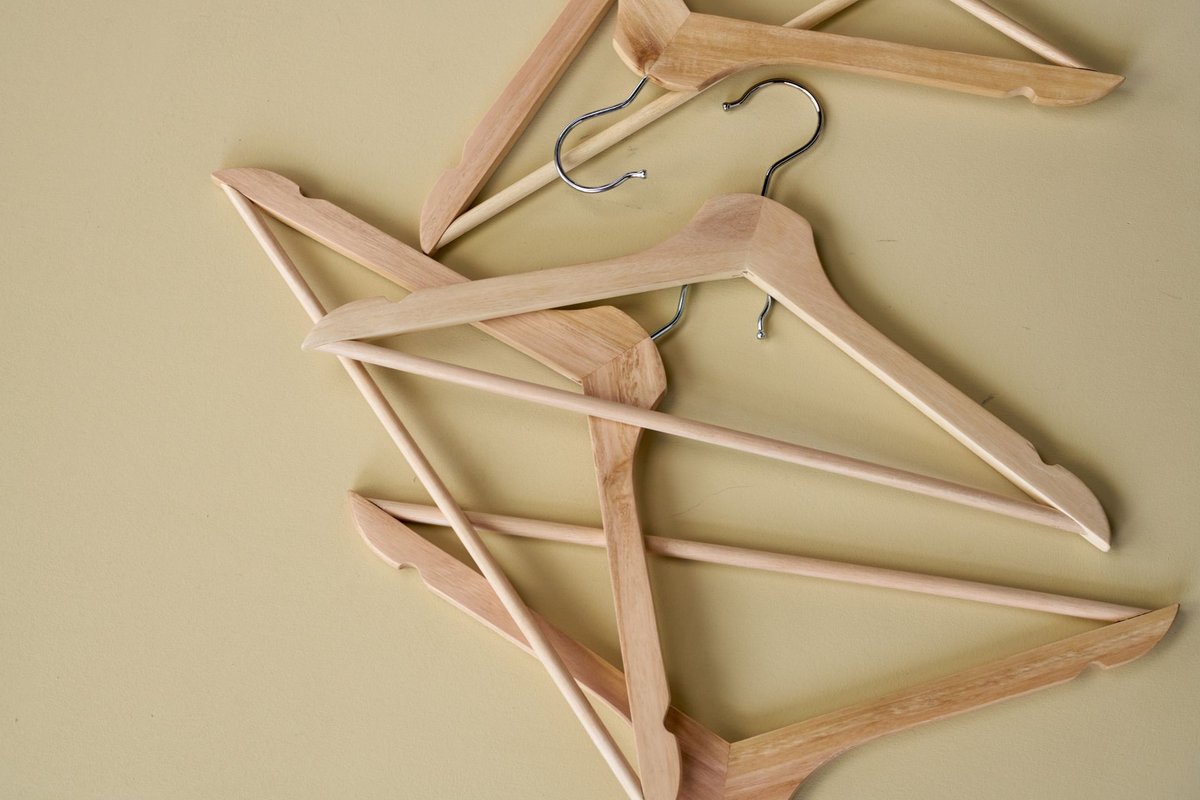
Give every category its own shelf or section and keep to it. Add one rule: when something new comes in, something old goes out. Turn all hangers backward now, and when you wear a piece, hang it the right way round. After three months, the hangers still facing backward show what you do not wear.
Mistakes to avoid
- Editing and buying on the same day. Wait a week. You will know better what is missing.
- Keeping things for guilt. A gift you never wear is not an obligation.
- Keeping a size for later. Keep the clothes that fit the life you live now.
- Skipping the shoes and bags. They are part of every outfit and they take up the most space.
- Doing it all in one day. If you run out of energy, stop after a category and finish tomorrow.
More guides on building a closet that works are listed on the capsule wardrobes page.
Your next step
Choose one category, such as tops, and pull every piece onto the bed this week. Sort them into keep, fix and donate, and put the bag by the door. One category done is a closet that is already easier to use.