Spring Capsule Wardrobe Over 50: 12 Light Layers
By Style Pieces 50 · Updated 2026-11-16
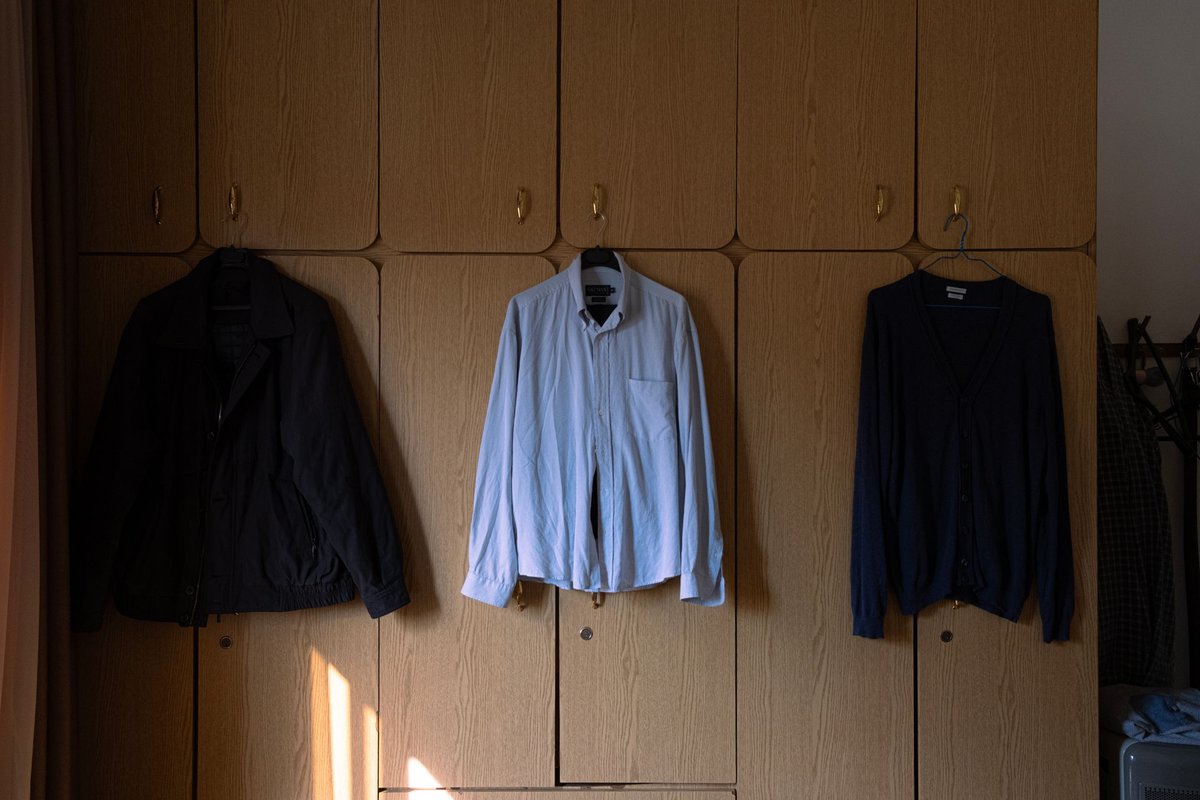
It is 48 degrees when you leave the house and 71 by the time you get home, and the closet offers either a winter coat or a sleeveless top. Spring does not need a new wardrobe. It needs a few light pieces that stack and come off easily. This guide gives you 12 of them, a temperature ladder that tells you what to put on, a two-minute stacking check for the fitting room, and a week of outfits for weather that keeps changing its mind.
Spring is a layering season, not a shopping season
According to Wikipedia, layered clothing is the wearing of multiple garments on top of each other for warmth or for style, and the wearer can shed layers as the temperature changes.
That second half is the whole spring plan. Each layer has to earn its place twice: it must look good on its own, and it must be easy to take off, fold and carry. A jacket that only works when it is buttoned up to the neck is a winter piece. A cardigan you can slip off and tie to a bag handle is a spring piece.
The pieces below are all light, all machine-friendly, and all chosen so that any two of them can be worn together. If you built the cold-weather version, the winter capsule is the heavy sibling of this list, and about half of its shoes and bottoms carry over.
Stone, navy and one soft color
Spring colors are lighter than winter ones, but the rule is the same: fewer colors mean more combinations. Pick three:
- Stone or oatmeal for your trench, trousers and one knit. It is softer than white and easier to keep clean.
- Navy for your jacket, skirt and shoes. It does the job black does in winter, with less weight.
- One soft color you like near your face: sage, sky blue, blush or butter yellow. Use it for a tee or a thin sweater, and repeat it once in a scarf.
Stripes in navy and white count as a neutral, so you can wear one long-sleeve striped tee with everything on the list.
The 12 light layers
Base layers (4)
- A white short-sleeve tee in a soft cotton that is thick enough not to show through.
- A navy and white striped long-sleeve tee. It dresses up jeans and gives a plain trench some interest.
- A light cotton button-up shirt in sky blue or white, with a collar that stands up a little on its own.
- A fine-knit sweater in your soft color, thin enough to sit under a jacket without bunching at the arms.
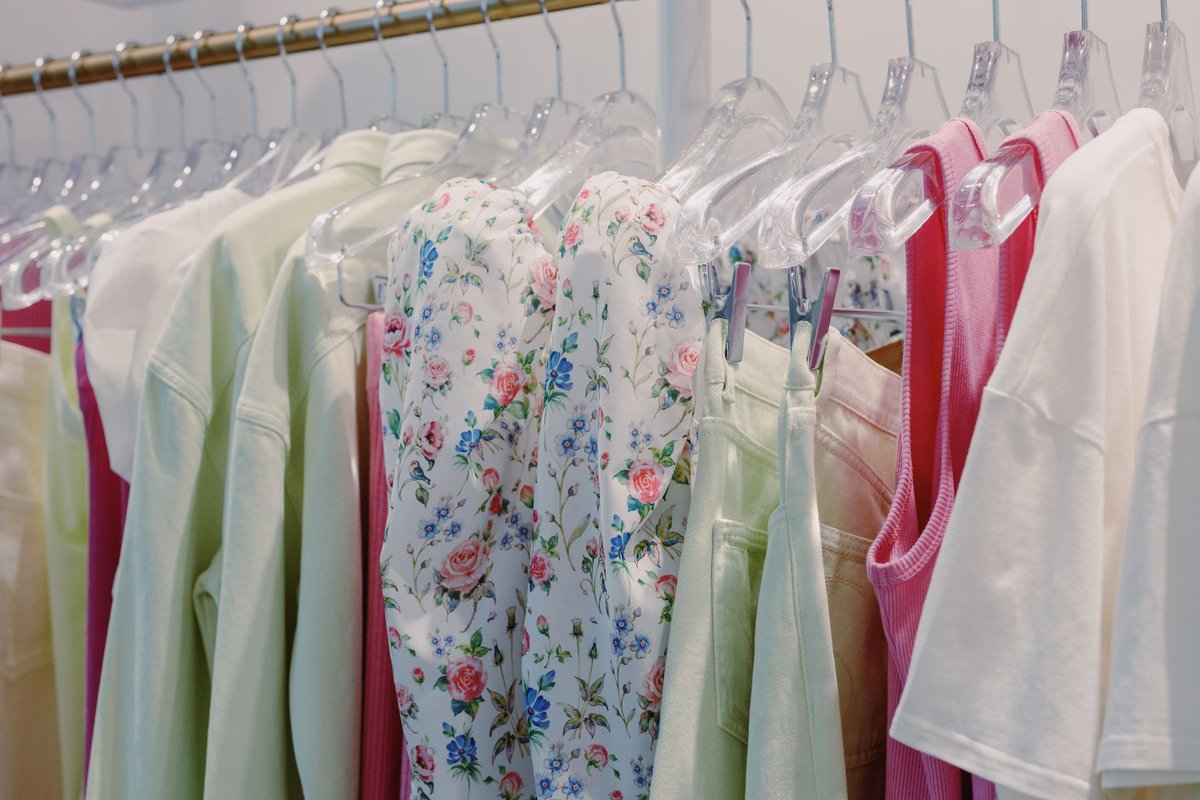
Middle layers (3)
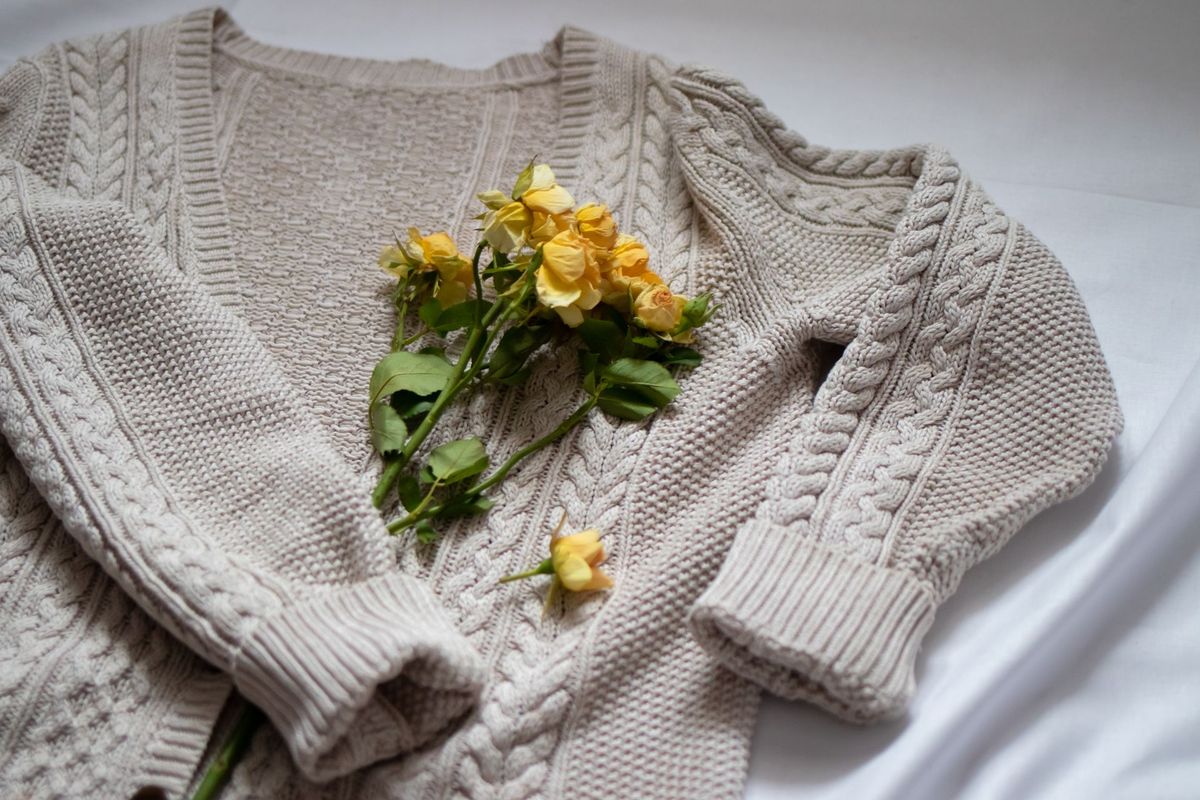
- A hip-length cardigan in cotton or a cotton blend. Pick one with buttons so you can wear it open, half closed or fully closed.
- An unlined, soft-shouldered blazer in stone or navy. Unlined means it weighs almost nothing in a bag.
- A light vest (quilted or knit) in navy. It warms your middle without adding sleeves to a day that will turn warm.
On the cardigan, Wikipedia says it is named for James Brudenell, 7th Earl of Cardigan, a British Army major general who led the Charge of the Light Brigade.
Outer layers (2)
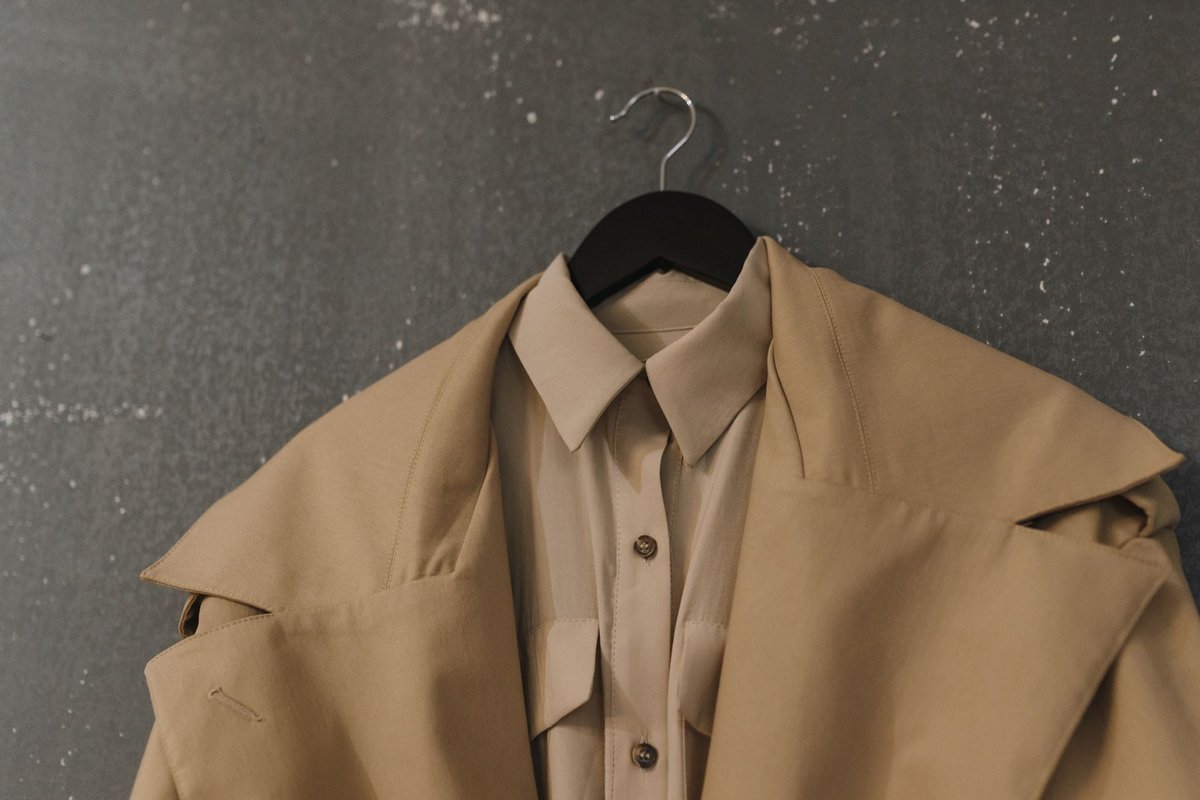
- A lightweight trench coat in stone. It ends at or just below the knee and covers every other layer.
- A denim or chore jacket that stops at the hip, for days when a coat is too much.
The trench is the classic spring layer. According to Wikipedia, the trench coat was developed for British Army officers before the First World War.
Wikipedia also describes the coat as belted at the waist with a self-belt and fitted with raglan sleeves that end in buckling cuff straps. Both details help today: tie the belt for a defined waist, or let it hang loose for a straight line that skims.
Bottoms (3)
- Stone or cream ankle trousers with a soft, flat waistband and room through the hip.
- Mid-wash straight jeans. Lighter than the dark pair you wear in winter, with a little stretch for sitting. The jeans outfits guide shows how far one pair goes.
- A navy midi skirt with an elastic or drawstring waist. It moves, breathes and works with every top above.
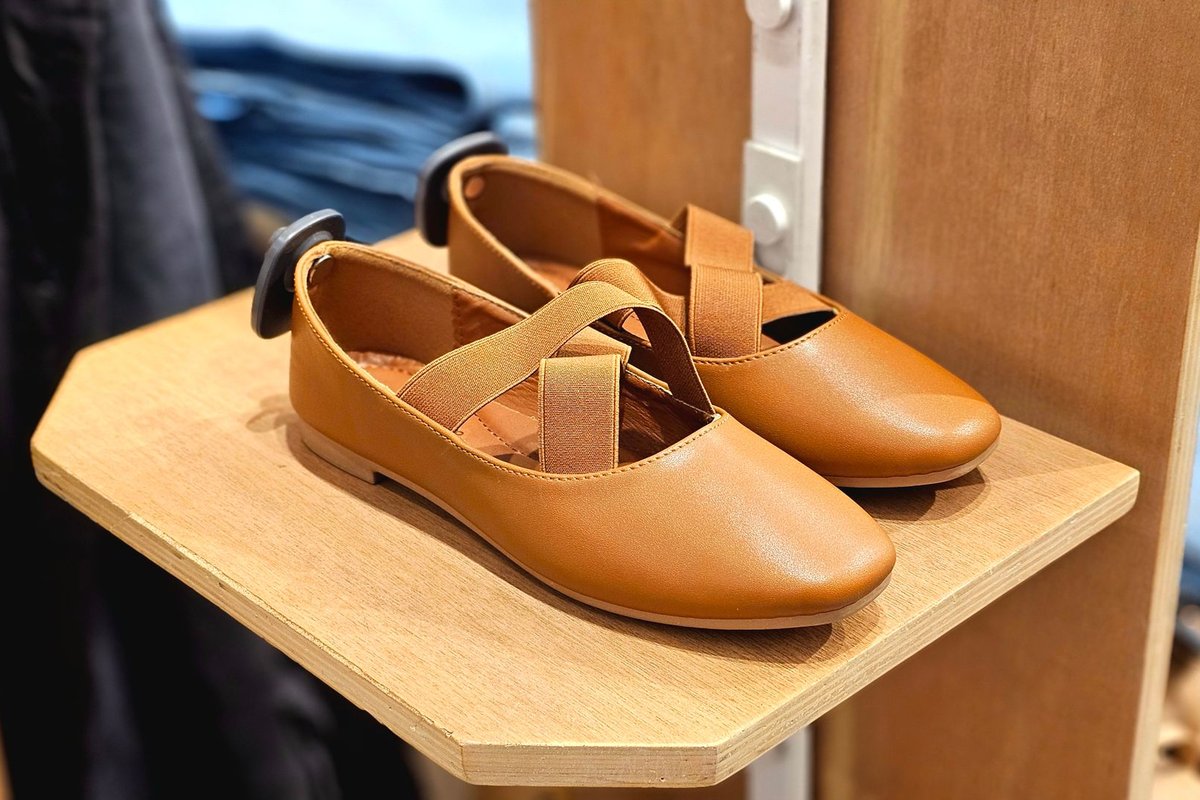
Shoes, a scarf and a bag are not counted. Keep white leather sneakers, a pair of cushioned flats and one light scarf in your soft color.
The stacking check: two minutes in the fitting room
Layers fail at the arms and the hem, not at the label. Before you keep a piece, put it on over the other pieces it must live with:
- Sleeve stack: wear the tee, then the cardigan, then the blazer or jacket. Lift both arms to shoulder height. If the sleeves ride up past your wrists or the shoulders pull, the outer piece is too small for layering.
- Hem ladder: from the inside out, each layer should end at the same spot or lower than the one beneath it. A tee at the hip, a cardigan at the upper thigh and a trench at the knee looks planned. A blazer shorter than the cardigan underneath looks accidental.
- Chair test: sit in the trousers or skirt with the jacket on. The waistband should stay where it is, and the jacket should not bunch behind you.
- Bag test: fold the cardigan or vest and put it in your usual bag. If it takes up half the bag, it will stay home on the day you need it.
If you are shorter than average, sleeve and hem lengths matter even more; the petite guide covers where each layer should end.
The temperature ladder
Instead of asking "what is the weather?", ask "which rung am I on?" These are starting points; add or remove a layer if you run warm or cold.
| Temperature | Base | Middle | Outer | Shoes |
|---|---|---|---|---|
| Under 50°F, damp | Striped tee + fine-knit sweater | Cardigan or vest | Trench | Sneakers |
| 50 to 60°F | Long-sleeve tee or shirt | Cardigan | Chore jacket or trench, open | Flats or sneakers |
| 60 to 70°F | White tee or shirt | Blazer or none | Carry the cardigan | Flats |
| Over 70°F, sunny | White tee | None | Scarf in the bag | Flats or sneakers |
A week of changing weather
- Cold, wet morning: striped tee + stone trousers + trench + white sneakers.
- Errands, mild: white tee + mid-wash jeans + cardigan + flats.
- Lunch with friends: sky-blue shirt + navy midi skirt + blazer + flats.
- Warm afternoon, cool evening: fine-knit sweater + stone trousers + vest, with the trench in the car.
- Church or a family dinner: soft-color sweater + navy midi skirt + cardigan + scarf + flats.
- Weekend walk: striped tee + jeans + chore jacket + sneakers.
- Doctor or appointment day: white shirt + stone trousers + cardigan, easy to take off and put back on.
For the cooler weeks at the start of the season, the fall layering guide has combinations that still work in March.
Common mistakes to avoid
- Buying one heavy jacket for the whole season. Two light layers beat one thick one.
- Wearing winter knits into April. Thick wool turns a mild afternoon into a long one. Swap in cotton.
- Layers that all end at the same line. Vary the lengths a little and the outfit looks finished.
- Pieces that cannot be carried. If it does not fold small, you will wear it all day or leave it at home.
- Too many soft colors at once. One is the accent, and the rest are stone and navy.
Your next step
Choose your three colors and write them on a sticky note. Then do the sleeve stack with the tee, cardigan and jacket you already own. Whatever passes is your spring capsule; the pieces that do not are your shopping list, and for the other half of the year the capsule wardrobe guides start from the same idea.